

Guttering Maintenance
Add a review FollowOverview
-
Founded Date July 2, 1950
-
Sectors Accounting
-
Posted Jobs 0
-
Viewed 176
Company Description
The 10 Most Terrifying Things About Best Guttering
The Comprehensive Guide to Choosing the very best Guttering: Everything You Need to Know
Guttering plays a vital function in maintaining the structural stability of a home. By gathering and directing rainwater away from the roof and the foundation of a building, effective guttering systems safeguard homes from leakages, mold, and disintegration. With a variety of guttering choices offered in the market, selecting the very best guttering system can appear frustrating. This article will provide a thorough guide on gutter types, materials, benefits of correct guttering, and FAQs to help you make an informed decision.
Understanding Guttering Systems
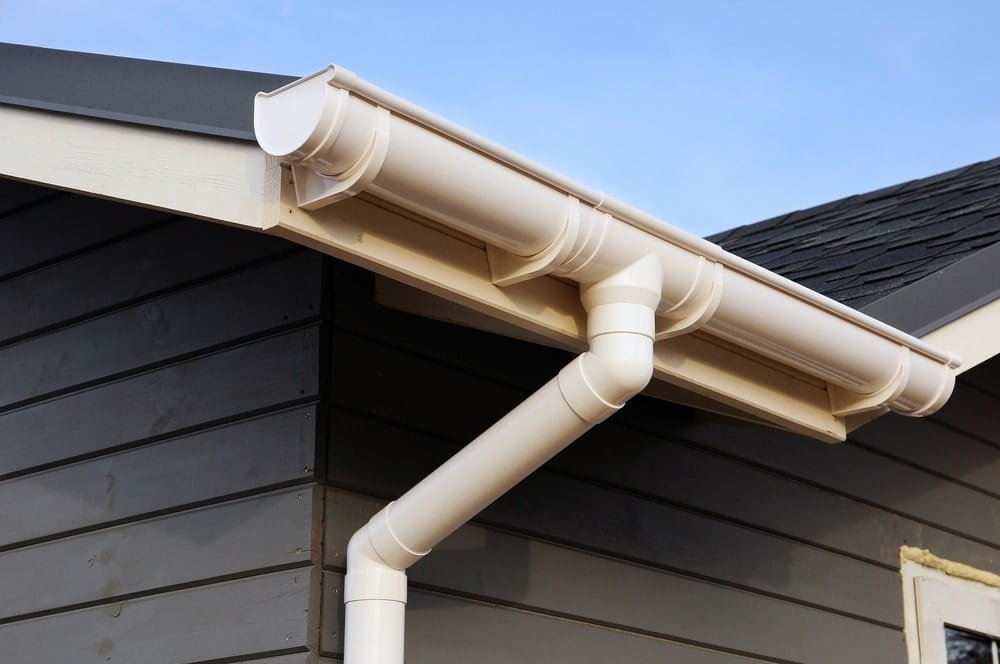
Before diving into the different kinds of guttering readily available, it’s necessary to understand the standard parts of a guttering system. Eventually, a guttering system includes:
- Gutters: The channels that gather rainwater.
- Downspouts: Vertical pipes that carry water from the gutters to the ground or drainage system.
- Hangers and brackets: Support systems that hold the gutters in location.
- End caps: Close off completions of the gutters.
Types of Guttering
There are several kinds of gutter systems readily available, each with its benefits and downsides. The most typical types include:
| Type of Gutter | Description | Pros | Cons |
|---|---|---|---|
| K-Style Gutters | Characterized by a flat bottom and decorative fronts. Available in different sizes. | High water capability; flexible design. | Can flex if not correctly supported. |
| Half-Round Gutters | Semi-circular shape that enables for efficient water circulation. | Aesthetic appeal; easy maintenance. | Less appropriate for heavy rainfall. |
| Fascia Gutters | Set up straight onto the fascia board. | Seamless appearance; easier installation. | Restricted water capacity. |
| Box Gutters | Rectangle-shaped shape, often concealed within the roof structure. | Outstanding for durable applications. | Greater installation expenses. |
Material Options
Picking the ideal product for your gutters is as vital as picking the type. The most typical materials include:
| Material | Description | Pros | Cons |
|---|---|---|---|
| Aluminum | Lightweight and corrosion-resistant. | Affordable; readily available in different colors. | Can be dented easily. |
| Vinyl | Made from PVC, extremely light-weight. | No rust; easy installation. | Restricted color alternatives; can end up being breakable in winter. |
| Copper | Durable and appealing product. | Long-lasting; special appearance. | High expense; needs professional installation. |
| Steel | Strong and durable. | Resistant to damage; available in various surfaces. | Heavy; susceptible to rust if not dealt with. |
Benefits of Proper Guttering
Selecting the appropriate guttering system and preserving it can significantly boost the durability of your property. Some benefits consist of:
- Water Damage Prevention: By effectively directing rainwater away, gutters help prevent leakages and wetness issues in walls and structures.
- Foundation Protection: Proper guttering lowers soil disintegration and keeps the foundation of your house stable.
- Insect Control: Effective drainage avoids standing water, which can attract insects such as mosquitoes.
- Boosted Curb Appeal: Well-maintained gutters enhance the general looks of a home.
Maintenance Tips for Guttering
To ensure your gutter system runs at peak efficiency, routine maintenance is important. Here are some maintenance suggestions:
- Clean Gutters Regularly: Remove leaves and particles a minimum of twice a year to prevent obstructions.
- Check for Damage: Check for signs of wear and tear, rust, or leaks, and attend to any concerns without delay.
- Make Sure Proper Slope: Gutters should be angled properly towards downspouts to facilitate the circulation of water.
- Examine Downspouts: Ensure that downspouts aren’t blocked and can effectively drain water away from the foundation.
FAQs About Guttering
1. How do I understand what type of guttering is best for my home?
The best kind of guttering for your home depends on factors such as your local climate, the size of your residential or commercial property, visual preferences, and budget. Consulting with a professional can help narrow down your options.
2. How often should I clean my gutters?
It is usually recommended to clean your gutters at least twice a year. Nevertheless, if you reside in a greatly wooded location, you may need to clean them more frequently.
3. What are the indications that my gutters require to be replaced?
Search for the following signs:
- Cracks or splits in the gutters.
- Rust or rust.
- Peeling paint on the outside of the home.
- Water damage or mold around the foundation.
4. Can I set up gutters myself?
While DIY installation is possible, it needs the right tools and understanding about the system. For property owners with minimal experience, hiring a professional is frequently a good idea.
5. For how long do gutters generally last?
The lifespan of gutters differs by product. Aluminum gutters can last 20 years, while copper systems can last over 50 years with correct maintenance.
Selecting the best guttering system for your home is important in safeguarding your home from water damage. Understanding the different types, products, and the value of maintenance can substantially affect your choice. Whether you choose the visual appeal of copper gutters or the cost-effectiveness of aluminum, there’s an option for every single requirement. Focusing on guttering can boost both performance and curb appeal, securing the longevity of your home.