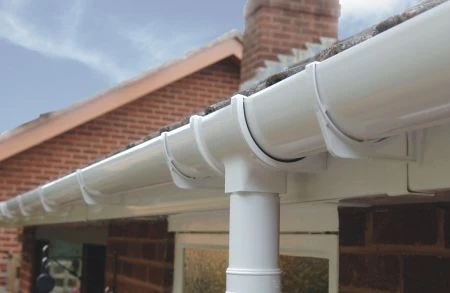
Guttering Solutions
Add a review FollowOverview
-
Founded Date May 28, 1920
-
Sectors Accounting
-
Posted Jobs 0
-
Viewed 101
Company Description
See What Gutter Replacement Tricks The Celebs Are Making Use Of
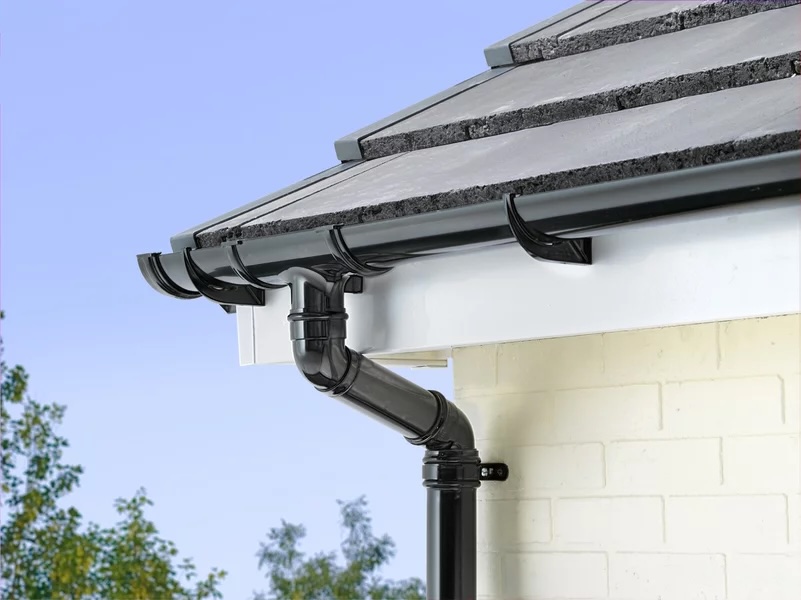
Gutter Replacement: Why, When, and How to Do It
Gutters play a vital function in the stability of a home’s exterior, directing water far from the roof, walls, and foundation. However, just like any part of a house, gutters can wear over time, resulting in the requirement for replacement. This post aims to provide homeowners with comprehensive details regarding gutter replacement, consisting of indications of wear, different types of gutters offered, replacement procedures, and FAQs to help make notified decisions.
Comprehending Gutters and Their Importance
What are Gutters?
Gutters are narrow channels that run along the edge of the roof. They gather and direct rainwater away from the house to avoid water damage. Correctly functioning gutters assist to:
- Prevent basement flooding
- Safeguard siding and windows
- Preserve landscaping
- Prevent mold growth
Why is Gutter Replacement Necessary?
Gutters can experience different concerns with time due to exposure to the aspects. Their products can rust, obstruct, and even break due to severe climate condition. Regular evaluations can assist to identify when they need to be repaired or replaced.
Signs You Need Gutter Replacement
Identifying the indications that show it’s time to replace your gutters is essential. Here are some common indications:
Visible Damage
- Cracks and Holes: Look for visible cracks or holes that may cause leaks.
- Rust or Corrosion: This is especially common in metal gutters.
- Separation from your home: Gutters should be securely attached; if they are retreating, it might show a structural issue.
Functional Problems
- Overruning Gutters: If water spills over the sides during heavy rain, this may indicate a blockage or structural failure.
- Water Damage: Signs of water damage on walls and ceilings suggest that water is not being diverted far from the home efficiently.
Landscaping Issues
- Disintegration and Pooling Water: If soil erosion or pooling near the structure is obvious, the gutters may not be carrying water effectively.
Drooping or Angle Issues
- Gutters must maintain a small slope to help in drainage. If they appear to be sagging or irregular, they might require changing.
Kinds of Gutters
When it pertains to replacing gutters, house owners have a number of alternatives. Understanding the numerous types can assist in making an informed choice:
| Type of Gutter | Description | Pros | Cons |
|---|---|---|---|
| Vinyl Gutters | Made from PVC; lightweight and affordable | Cost-efficient, rust-proof | Can become fragile in extreme weather condition |
| Aluminum Gutters | Light-weight and resistant to rust | Flexible colors and styles | May damage easily |
| Steel Gutters | Resilient choice; ideal for extreme conditions | Strong and lasting | Heavier and vulnerable to rust |
| Copper Gutters | Expensive; visually pleasing | Extremely resilient, establishes gorgeous patina | High installation and product cost |
| Seamless Gutters | Custom-fitted without joints | Decreases leaks, less maintenance | Requires professional installation |
The Gutter Replacement Process
Changing gutters can be a straightforward DIY job, or it can require professional assistance, depending on the property owner’s ability level and security factors to consider. Here’s a step-by-step guide to gutter replacement:
Step 1: Gather Necessary Tools and Materials
List of tools and materials to have on hand:
- New gutters (choose the type)
- Gutter wall mounts
- Screws and anchors
- Drill
- Ladder
- Safety safety glasses
- Level
- Determining tape
- Caulk
Step 2: Remove Old Gutters
- Thoroughly detach existing gutters from roof and fascia, guaranteeing that no damage takes place to nearby structures.
- Dispose of any particles and old gutters properly.
Step 3: Measure for New Gutters
- Properly determine the length of each side of the roof to guarantee the new gutters fit effectively.
Step 4: Install New Gutters
- Set up the gutter wall mounts with a slight slope toward the downspouts.
- Secure the gutters in place, examining with a level to maintain the right angle.
Step 5: Attach Downspouts
- Cut areas of downspout to length and protect them to the gutters and the wall of the home, guaranteeing they direct water away from the structure.
Step 6: Test for Proper Function
- Run water through the gutters to guarantee they are draining appropriately and look for leaks.
Frequently Asked Questions About Gutter Replacement
1. How frequently need to gutters be replaced?Gutters can last in between 20 to
50 years, depending upon product and maintenance. Regular assessments can assist evaluate when replacement is needed. 2. Can I replace gutters myself?Yes, if you have
the right tools and feel comfortable
working at heights. Nevertheless, working with professionals is recommended for security factors and to guarantee proper installation. 3. What occurs if I do not change my gutters?Neglecting gutter replacement can cause substantial
water damage, mold development, and expensive repairs to the home’s structure. 4. Are seamless gutters worth the investment?While they may cost more upfront, seamless gutters decrease the risk of leaks and need
less maintenance, making them a worthwhile investment. 5. How do I maintain my brand-new gutters?Regular cleaning to remove particles, looking for clogs, and inspecting for damage after extreme weather condition will extend the life of your gutters. Changing gutters is an essential element of home
maintenance that straight influences the longevity and security of the home. By recognizing the signs of wear, comprehending the types of gutters
readily available, and following the replacement procedure, house owners can safeguard their property from water damage efficiently. Provided the importance of appropriately functioning gutters, prompt replacement can save house owners significant costs and ensure a safe living environment.