

Pallets Manufacturer
Add a review FollowOverview
-
Founded Date March 22, 2006
-
Sectors Sales
-
Posted Jobs 0
-
Viewed 62
Company Description
What’s The Job Market For New Pallets For Sale Professionals?
New Pallets For Sale: Everything You Need to Know
In the world of logistics and shipping, pallets play an essential role in guaranteeing the safe and orderly transportation of products. With services constantly progressing and growing, the demand for high-quality, resilient pallets has risen considerably. This post checks out the numerous types of new pallets available for sale, their benefits, and considerations for choosing the best pallet for your company.
Kinds of Pallets
Pallets come in different products and sizes to deal with diverse organization requirements. To assist you make a notified decision, here’s a breakdown of the most typical kinds of pallets offered for sale:
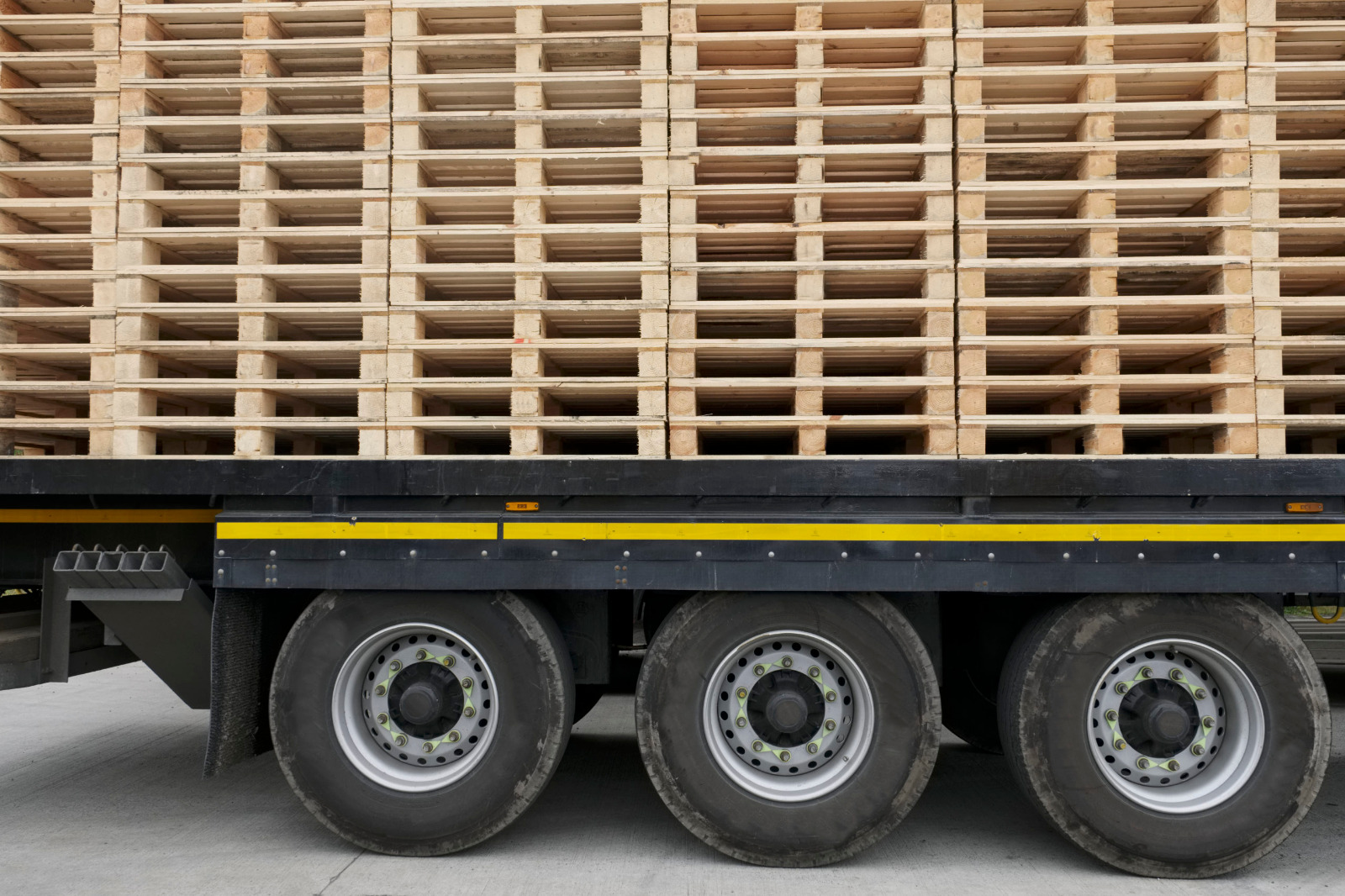
| Pallet Type | Material | Size (inches) | Load Capacity (pounds) | Description |
|---|---|---|---|---|
| Wooden Pallets | Neglected/ Treated Wood | 48 x 40 | 2,500 – 3,000 | Cost-efficient and frequently used for basic storage and shipping. |
| Plastic Pallets | High-Density Polyethylene | 48 x 40 | 3,000 – 5,000 | Light-weight, moisture-resistant, and long lasting for hygienic applications. |
| Metal Pallets | Steel/ Aluminum | 48 x 48 | 5,000 – 10,000 | Heavy-duty option perfect for extreme conditions and high-weight loads. |
| Cardboard Pallets | Recycled Paper | 48 x 40 | 1,000 – 2,000 | Environment-friendly and appropriate for light goods, ideal for short-lived uses. |
| Hybrid Pallets | Wood and Plastic | 48 x 40 | 3,000 – 4,000 | Combines benefits of both products, using sturdiness and reduced weight. |
Factors to consider When Choosing a Pallet
When picking the ideal pallette for your company, numerous elements must be considered:
- Load Capacity: Ensure the chosen pallet can support the weight of your goods without risk of breaking or collapsing.
- Product: Depending on the environment in which the pallets will be used, some products might be preferable than others (for instance, plastic pallets for damp conditions).
- Size: Choose the suitable pallet size for your products and storage needs. Requirement sizes often help with simpler handling and transport.
- Reusability and Durability: Consider the number of cycles the pallet will go through before needing replacement. More resilient materials might use longer life expectancy however at higher initial expenses.
- Ecological Impact: With increasing issues about sustainability, consider picking environment-friendly choices such as recycled pallets.
Benefits of Buying New Pallets
Purchasing new pallets presents a variety of advantages for organizations, including:
- Enhanced Quality Control: New pallets are produced to high requirements, guaranteeing reliability and safety for your products.
- Increased Efficiency: Fresh, top quality pallets can enhance the speed and ease of filling and discharging products.
- Less Risk of Damage: New pallets are less likely to have flaws or weaknesses compared to used choices, minimizing the threat of damage during transit.
- Compliance with Regulations: New pallets frequently satisfy the needed requirements and accreditations needed for various markets, guaranteeing adherence to shipping regulations.
Uses of New Pallets
New pallets have a vast array of applications in numerous industries:
- Transportation and Logistics: Facilitate the motion of items from one place to another.
- Warehousing and Storage: Organize and stack products effectively in storage facilities.
- Retail Displays: Used as display stands for products, specifically at advertising events.
- Production: Support the movement of raw materials and finished items along production lines.
Frequently Asked Questions (FAQs)
1. What is the typical life expectancy of a new pallet?
The lifespan of a new pallet can vary considerably based on the product and use. Wooden pallets usually last 5-10 years, while plastic ones can last a lot longer due to their resistance to wetness and decay.
2. Are there any guidelines concerning pallets?
Yes, particular industries, particularly food and pharmaceuticals, go through specific regulations concerning pallet tidiness and security. Always ensure your pallets satisfy security and compliance standards appropriate to your sector.
3. Can new pallets be personalized?
Yes, many providers use modification alternatives. Depending upon your needs, you might define measurements, load capability, and product for your pallets.
4. Where can I purchase new pallets?
New pallets can be sourced from numerous local pallet makers, online marketplaces, and specialized storage facilities or logistics providers.
When navigating the buying landscape for new pallets, it’s vital to understand the diverse choices and benefits readily available. Examining your particular requirements versus the different types, materials, and capacities will eventually lead you to the most reliable choice for your logistics operation. Armed with the ideal information and insight, businesses can leverage new pallets as a strategic asset in their supply chain, enhancing efficiency and promoting safe transportation of items.
List of Key Takeaways
- Understand the various type of pallets available, consisting of wooden, plastic, metal, cardboard, and hybrid alternatives.
- Consider crucial elements like load capability, material, size, reusability, and ecological effect before selecting a pallet.
- Buying new pallets typically results in higher toughness, quality, and compliance with guidelines.
- Check out various applications of new pallets across markets to optimize their functional advantages.
With this detailed understanding of new pallets for sale, organizations can make informed decisions that line up with their functional goals and enhance overall supply chain effectiveness.