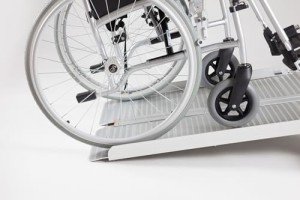
Portable Disabled Ramp
Add a review FollowOverview
-
Founded Date April 8, 2002
-
Sectors Marketing
-
Posted Jobs 0
-
Viewed 46
Company Description
3 Reasons Three Reasons Your Wheelchair Ramp Is Broken (And How To Repair It)
Understanding Wheelchair Ramps: Types, Benefits, and Guidelines
Intro
Wheelchair ramps play an essential function in promoting accessibility and self-reliance for individuals with mobility difficulties. They offer a safe and efficient ways of browsing spaces that may otherwise be prohibitive due to stairs or other challenges. In this guide, we will check out the numerous kinds of wheelchair ramps, the benefits of supplying access, guidelines for installation, and deal with some frequently asked concerns.
Types of Wheelchair Ramps
There are several kinds of wheelchair ramps offered, each suited for various environments and requirements. Below is a table summing up the primary types of wheelchair ramps:
| Type of Ramp | Description | Perfect Use Cases | Pros | Cons |
|---|---|---|---|---|
| Portable Ramps | Light, simple to transport; often made from aluminum or plastic. | Temporary access for occasions or travel. | Easy to set up; versatile; lightweight. | Less stability; may not support heavy weights. |
| Threshold Ramps | Low-profile ramps utilized for doorways or little challenges. | Homes or commercial entries. | Easy to install; typically adjustable. | Restricted height; not suitable for bigger barriers. |
| Modular Ramps | Pre-fabricated systems that can be customized; normally made from aluminum or steel. | Long-term access options. | Durable; can be customized to particular needs. | Can be expensive; requires space for installation. |
| Concrete Ramps | Irreversible ramps normally made from poured concrete. | Public structures and homes. | Highly stable; integrated into the structure. | Lengthy to install; hard to customize. |
| Folding Ramps | Compact and foldable ramps that can be stored easily. | For users requiring both mobility and ability. | Lightweight; practical storage. | Smaller sized weight capacity; may require assistance. |
| Customized Ramps | Designed specifically for user requirements, environment, and regulations. | Customized services based on specific situations. | Perfect suitable for unique requirements; highly practical. | Higher cost; longer planning and approval time. |
Benefits of Wheelchair Ramps
Purchasing wheelchair ramps provides numerous advantages that extend beyond simple benefit:
- Accessibility: Ramps enable wheelchair users and those with mobility disabilities to access buildings, homes, and outdoor areas that may otherwise be limited.
- Self-reliance: Ramps foster independence by making it possible for users to browse their environment without counting on assistance.
- Security: Ramps minimize the danger of accidents related to stairs, especially in damp or icy conditions.
- Inclusivity: Providing wheelchair ramps reflects a commitment to inclusivity in both public and personal settings, promoting level playing fields for all individuals.
- Compliance: Many areas need accessibility features in public spaces; installing ramps can help ensure compliance with regional laws and policies.
- Improved Property Value: Homes and services that focus on ease of access are frequently more attractive to prospective buyers, enhancing general home value.
Guidelines for Wheelchair Ramp Installation
When thinking about the setup of a wheelchair ramp, it’s essential to follow specific standards to ensure security and functionality. Here are essential considerations:
Ramp Specifications
- Slope: The perfect slope ratio for a wheelchair ramp is 1:12. This implies that for every inch of elevation, there should be at least 12 inches of ramp length.
- Width: A width of at least 36 inches is recommended to accommodate most wheelchair users.
- Landing Area: Landing locations at the top and bottom of the ramp ought to be flat and at least 5 feet long to supply adequate turning area.
Products
- Use long lasting materials that can withstand wear, such as aluminum, fiberglass, or pressure-treated wood.
- Ensure that the surface area supplies traction to prevent slipping, especially in damp conditions.
Security Features
- Include handrails on both sides of the ramp, particularly for inclines higher than 30 inches, to provide assistance.
- Install guardrails if the ramp height goes beyond 30 inches.
- Regularly check and preserve ramps to guarantee they are without debris and properly maintained.
Regularly Asked Questions (FAQ)
1. What is the optimum length for a portable wheelchair ramp?
Portable ramps normally vary from 2 feet to 10 feet in length, depending on the particular needs and weight capability. Constantly examine the manufacturer’s standards.
2. How do I pick the best slope for my ramp?
The general standard is a 1:12 slope. For every single inch of vertical rise, you need at least 12 inches of ramp length. However, users with greater strength might handle steeper slopes.
3. Exist any legal regulations regarding wheelchair ramps?
Yes, the Americans with Disabilities Act (ADA) offers standards that must be followed when constructing wheelchair ramps. Constantly inspect local guidelines, as requirements might vary.
4. How can I maintain my wheelchair ramp?
Regular assessments for wear and tear, cleaning up the surface to eliminate debris, and guaranteeing that the handrails are secure are crucial parts of ramp maintenance.
5. Can I construct my own wheelchair ramp?
Yes, constructing a custom-made wheelchair ramp is possible, but it is essential to follow security guidelines and slopes as explained previously. Consulting with professionals or the local authorities can offer guidance.
Wheelchair ramps are an important aspect of producing an accessible world for people with mobility difficulties. By comprehending the types readily available, their advantages, and the essential standards for setup, we can contribute to a more inclusive society. Promoting for and carrying out these features not only enhances the lives of individuals who need them but also establishes environments where everyone can get involved completely and fairly.
Buying wheelchair ramps is an investment in self-respect, security, and self-reliance– an action towards a more available future for all.